
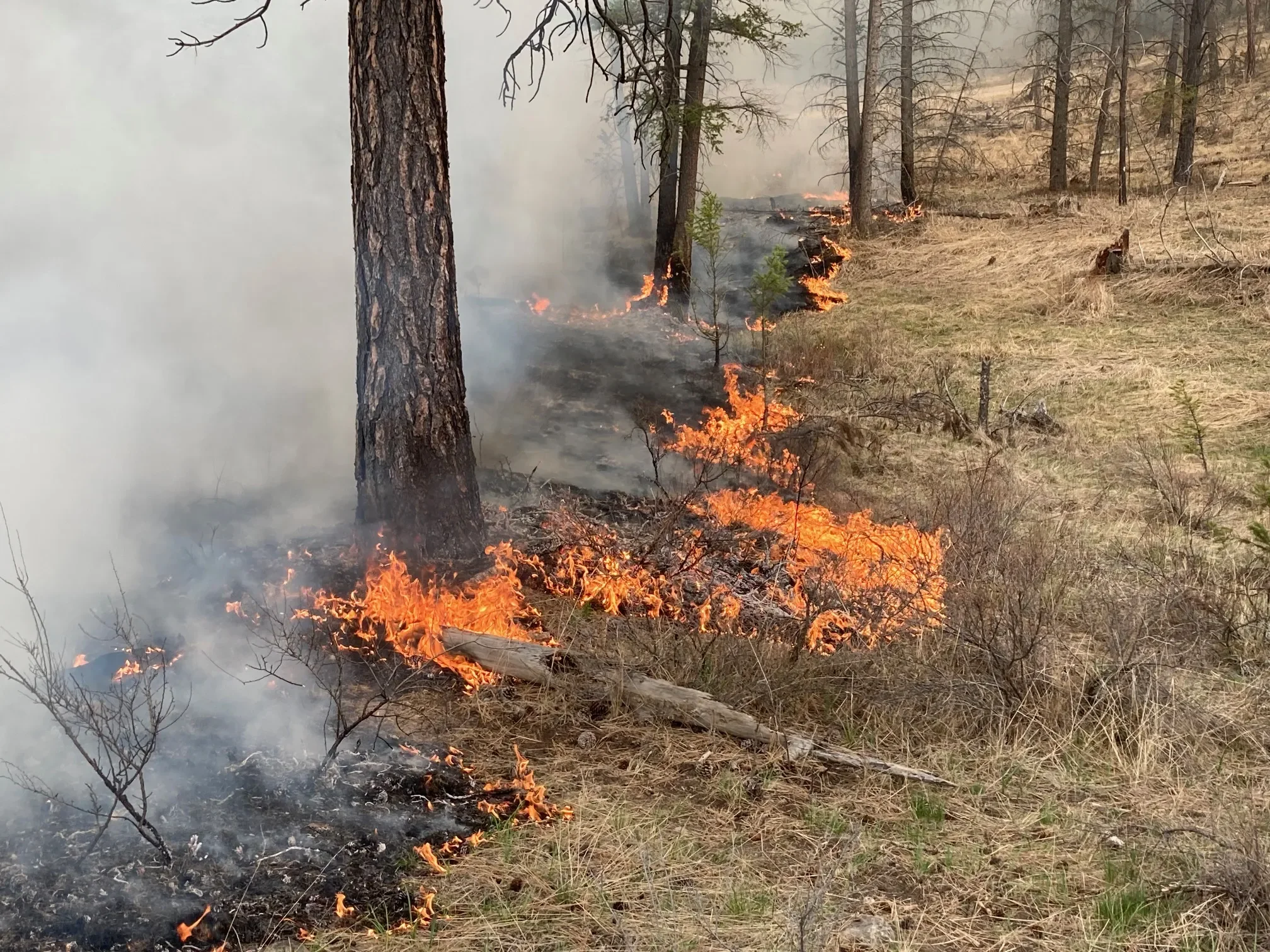
Emergency management that makes sense
We make emergency management usable for the people who have to lead it, support it and explain it
ABG helps governments, First Nations and public-sector organizations build emergency plans, procedures, training and communications tools that are practical, accessible and right-sized to their capacity.
We help organizations translate emergency management systems, including the Incident Command System (ICS) and Emergency Operations Centre (EOC) structures, and provincial legislation into clear guidance that supports decision-making, coordination and communication before, during and after an emergency.
Emergency management should reflect the community it serves
Emergency plans need to align with recognized frameworks, but they also need to make sense to the leaders, staff, partners and community members who rely on them. ABG helps organizations turn complex emergency management structures into clear, practical tools grounded in local realities.
Plans should work for people, not just systems
How we can help
We will help you get from risk to readiness

Emergency management plans
All-hazards plans that clarify governance, roles, activation, decision-making and coordination.
EOC and ICS procedures
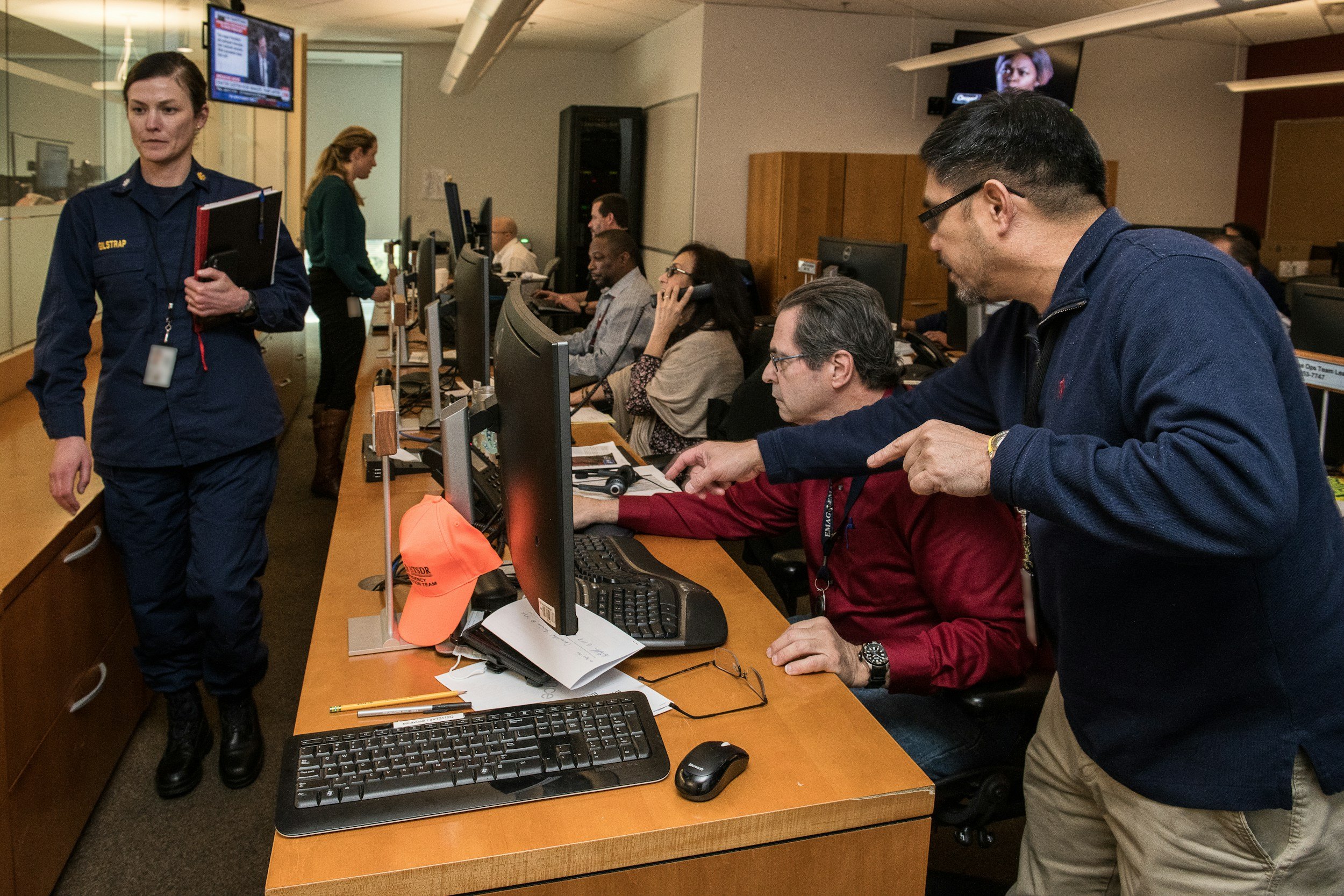
Right-sized guidance, checklists and tools that help staff understand Emergency Operations Centre roles, Incident Command System structures and information flow.
Training and exercises
Orientation sessions, tabletop exercises, scenario-based training and workshops designed for the people who will actually use the plan.
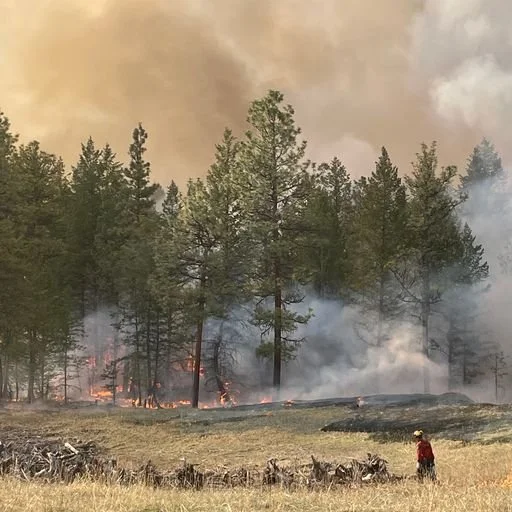
Emergency communications plans
Public information, media, alerting, approvals, rumour control and community updates before and during emergencies.
Hazard, risk and vulnerability assessments
Right-sized HRVAs that identify priority risks, community vulnerabilities and practical planning implications in a format leaders and staff can use.
Governance and approval pathways
Support to clarify who makes decisions, how governments and agencies coordinate, who approves public information and how elected or community leadership is briefed.
How we work

-
We review existing plans, governance, staffing capacity, hazards, partners, community needs and operational realities. Where appropriate, we also engage leaders, staff, community representatives and external partners to understand how the system works in practice and where additional clarity, tools or support may be needed.
-
We work collaboratively with clients to develop plans, annexes, procedures and tools that reflect local governance, community needs, partner relationships and available capacity. The goal is not to impose a generic system, but to build something people recognize, understand and can work with.
-
We align emergency management products with relevant legislation, recognized frameworks and current best practices, while adapting them to real-life conditions. That means translating technical requirements into clear roles, decision pathways, information flow and practical guidance.
-
We support orientation, workshops, tabletop exercises and updates so the plan becomes part of organizational readiness, not a document on a shelf. Training helps identify what is working, what needs adjustment and where additional tools or clarity may be needed.
Emergency management work that moves communities from plan to practice
ABG has supported emergency management and emergency communications work for regional partnerships, local governments, First Nations and public-sector organizations. Our work has included all-hazards plans, emergency communications plans, hazard, risk and vulnerability assessments, Emergency Operations Centre procedures, operational annexes, training materials, public information guidance, leadership briefings and implementation tools.
Our approach is technically sound and practical by design. We align plans and procedures with recognized emergency management frameworks, legislation and best practices, while translating complex requirements into clear guidance that reflects local governance, staffing capacity, partner relationships and community needs.
The goal is not just to produce a plan. It is to help people understand what to do, how decisions are made and how to communicate when it matters.
Whether your organization needs a full emergency management plan, updated procedures, emergency communications tools, training or a practical review of existing materials, ABG can help turn complex requirements into clear, usable guidance.
Built on best practice. Designed for real life.
